
Latest article
AI Proof of Concept: What to Prove, What It Costs, and Who to Hire
What an AI proof of concept should prove, how it differs from a prototype or pilot, what drives cost, and how to choose a PoC partner.
Read article

What an AI proof of concept should prove, how it differs from a prototype or pilot, what drives cost, and how to choose a PoC partner.
Read article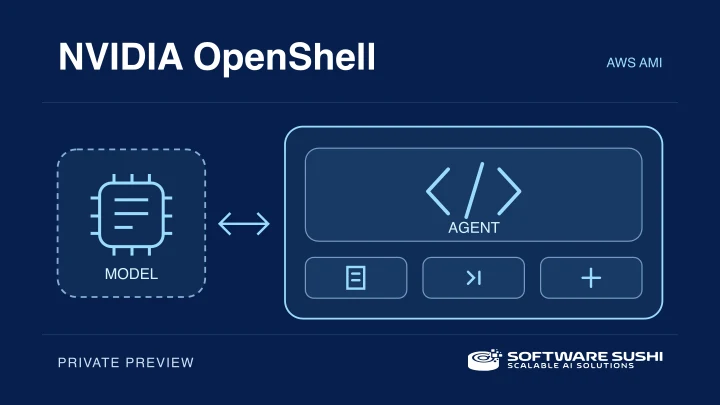
See how the model, agent, and OpenShell fit together—and watch a real task inside Software Sushi’s AMI, now on AWS Marketplace.
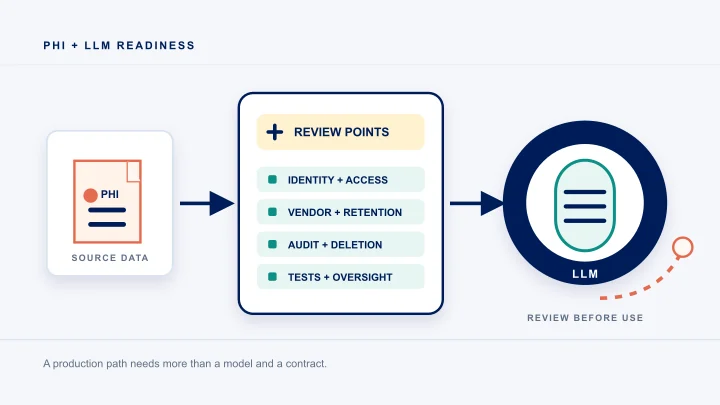
A practical framework for evaluating LLM vendors, BAAs, data flows, retention, access, and AI behavior before a healthcare team sends PHI.
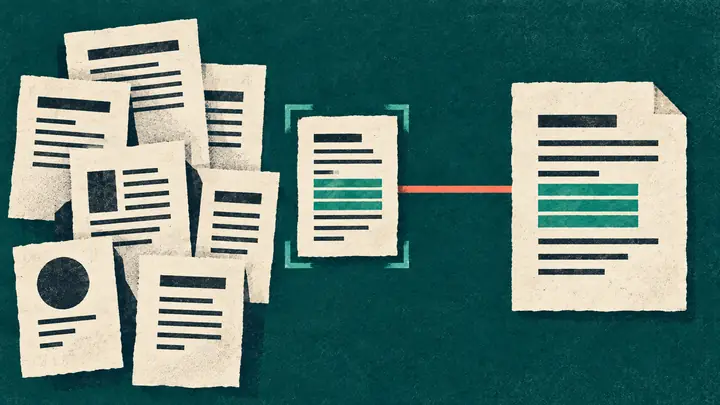
A practical framework for evaluating RAG retrieval separately from generation with labeled queries, layered metrics, human review, and release gates.

A practical framework for assessing whether a healthcare AI application is ready to handle PHI across data flows, vendors, controls, testing, and operations.
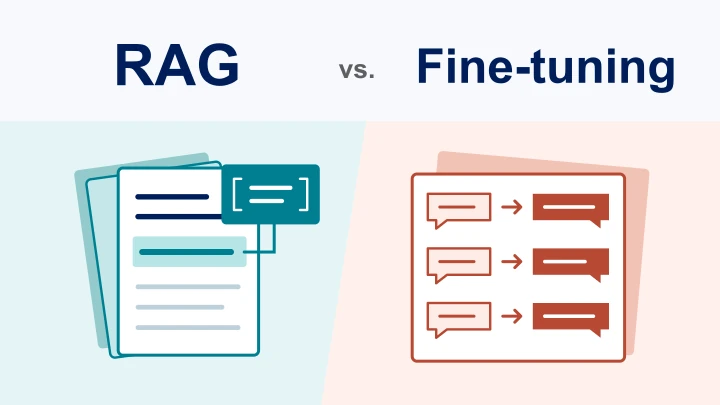
How RAG and fine-tuning differ, what enterprises actually use, and how to choose based on changing data, evaluation, and total cost.

Why production ML models lose accuracy over time, how aging differs from drift, and what effective monitoring and intervention look like.

Why promising AI pilots stall before production, and what successful teams do differently across data, workflows, ownership, and integration.
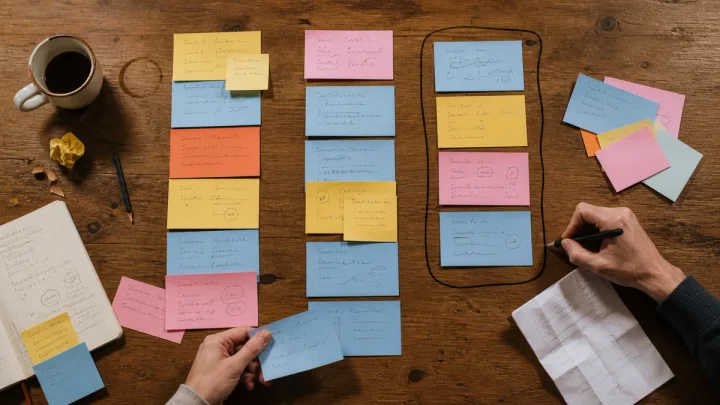
A practical guide to planning AI projects that succeed — covering common pitfalls, MVP strategy, and the strategic groundwork most teams skip.

This post breaks down a common but costly mistake in AI forecasting: data leakage from random splitting — and shows how the right validation approach turned unreliable predictions into trusted business decisions.

A blog covering the basics of developing a chrome extension, as well as how to integrate one with the OpenAI API.
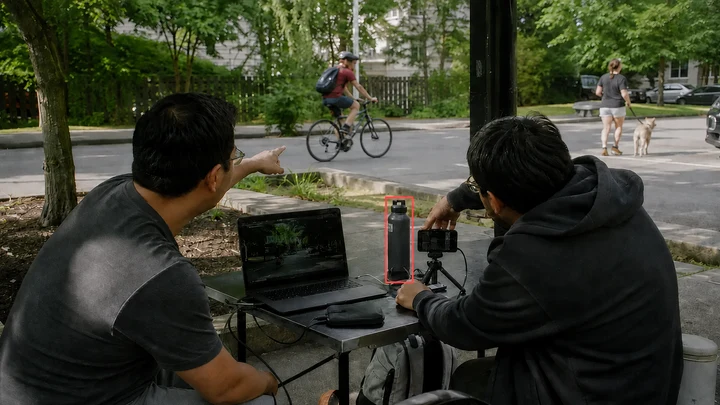
Building on the OpenCV series, we turn to YOLO to detect any custom object class you want — walking through training the model and running detection end to end.

Content moderation is a critical task for any online platform. The goal is to automatically identify and flag content that violates community guidelines, covering categories like hate speech, harassment, or self-harm.

Imagine having a virtual assistant that understands user preferences, context, and queries with precision—providing relevant and tailored responses in seconds. This is the promise of an AI-powered chatbot, a tool designed to make interactions more intuitive, efficient, and personalized using OpenAI API and Retrieval-Augmented Generation (RAG) frameworks such as LangChain.
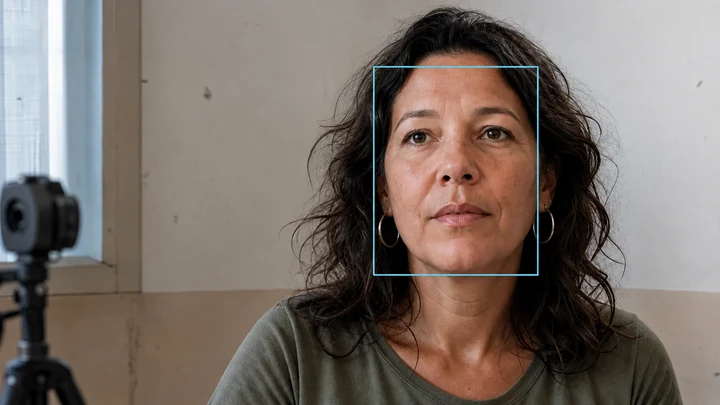
In this first blog of a new three part series in OpenCV, we will be covering face detection using OpenCV.
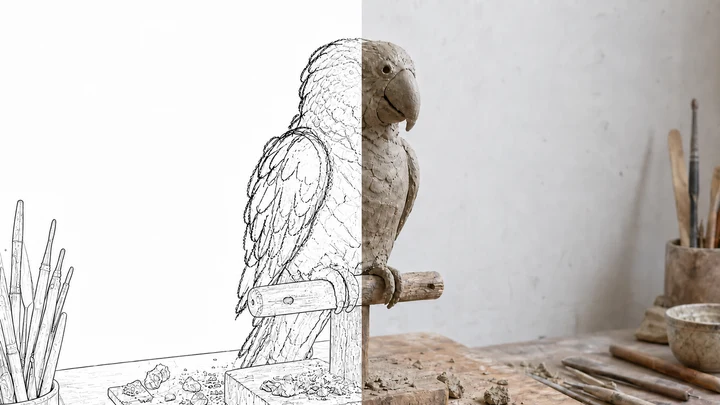
A hands-on OpenCV guide to Sobel, Laplacian, and Canny edge detection, contours, morphological operations, template matching, Fourier and Hough transforms, and histogram equalization.

A practical OpenCV guide to color space conversion, blurring and filtering, thresholding, Otsu binarization, GrabCut, connected components, and watershed segmentation, with Python code.

A hands-on OpenCV guide to geometric transforms, image arithmetic, bitwise operations, masking, and color channels, with Python code and output for every technique.